
Articles · Clay
Red or white clay: why restaurant tableware is born at 1200 °C
Two clays, two destinies. One is for the vase in the living room; the other, for the table where food is served.
Red: plentiful, cheap and low-fired
Red clay is the most common. It is found almost everywhere, is easy to work and costs less. It is fired at a low temperature, so it stays porous and a little soft. It is a great material for vases, plant pots and interior objects.
For serving food, however, it has a problem: it doesn't get along with glazes. The clay and the glassy surface expand differently, and over time the glaze crazes. That is why the master doesn't recommend it for the table.
White: high fire and a body like stone
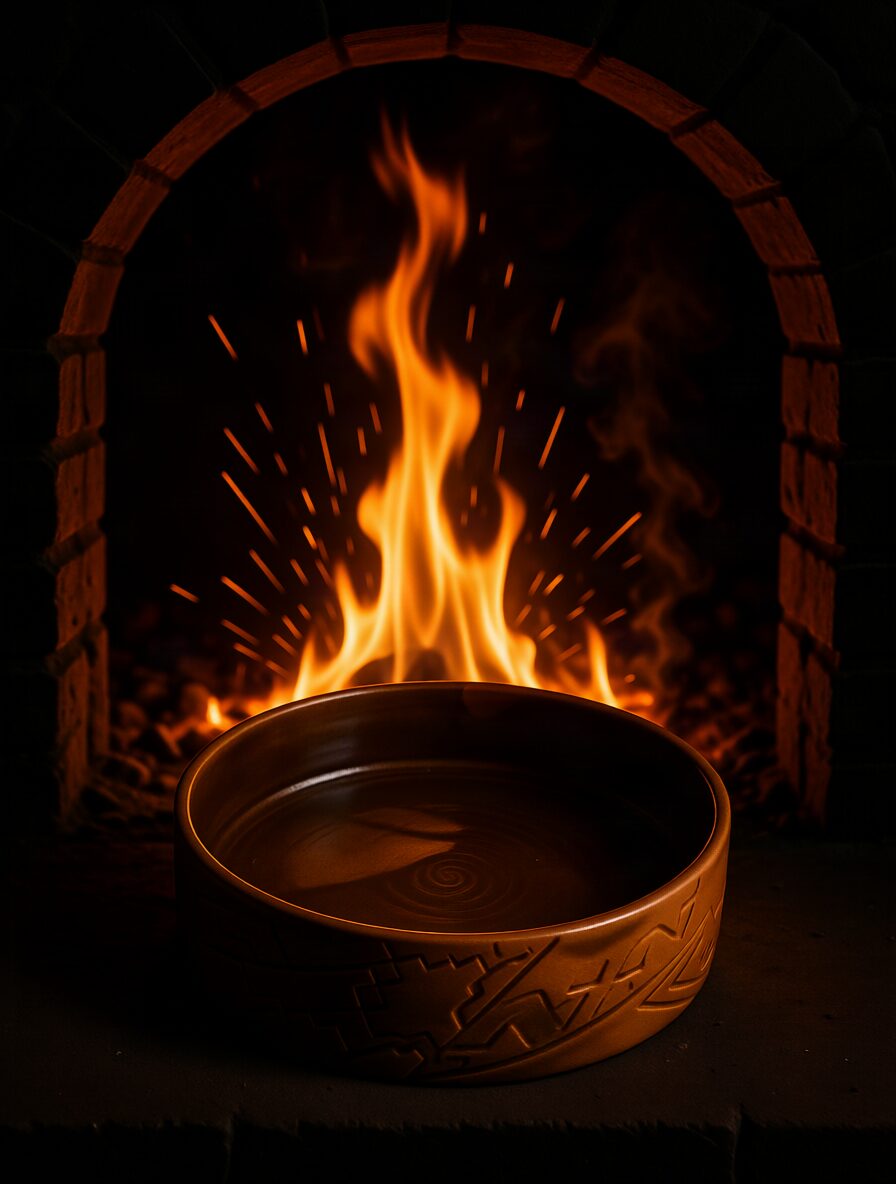
White clay asks for more fire: 1200 °C and above. At that temperature the body closes up and becomes dense, almost stone. This is what is called sintering: the particles fuse together and the piece stops being fired mud and becomes something else.
A simple test is the sound. A high-fired piece, tapped gently, rings like a small bell. A low-fired one sounds dull, like a plant pot.
What the master tells a restaurant
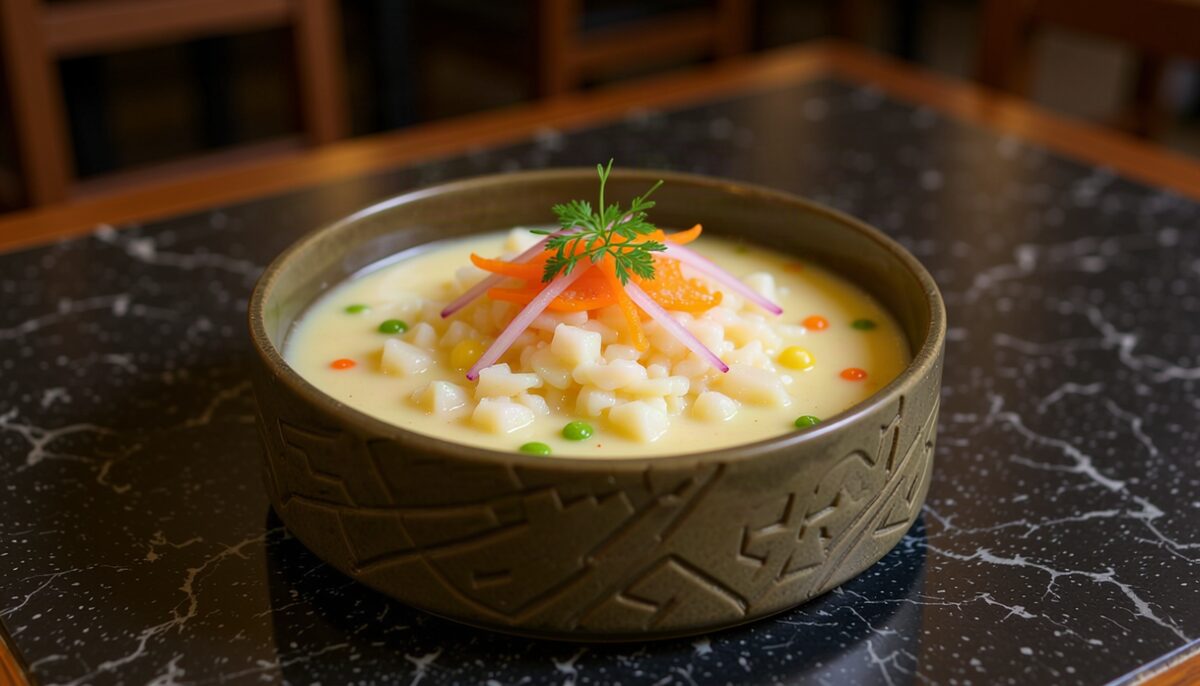
Tableware used every day, that goes from cold to heat and back to the table, needs a closed body and a glaze that fuses with it. That is why the whole Terracota Art collection is made with white clay and fired at high temperature.
If you have a restaurant or a café and want to feel the difference in your hand, ask for a sample: a piece to see, touch and listen to.
Next article